Why This Matters
You spend 16+ hours a day wearing clothes. Yet most people have no idea what they’re actually wearing.
The difference between quality fabric and cheap fabric isn’t just comfort—it’s about durability, health, sustainability, and even how your clothes affect your skin.
Let’s explore the science.
What Is Fabric? The Basic Science
Fabric is made of fibers twisted together. Those fibers come from different sources:
Natural Fibers:
- Cotton (from cotton plant seeds)
- Wool (from sheep hair)
- Silk (from silkworm cocoons)
- Linen (from flax plant stems)
Synthetic Fibers:
- Polyester (from petroleum)
- Nylon (invented in laboratory)
- Acrylic (also lab-created)
- Spandex/Lycra (synthetic elastane)
Semi-Synthetic:
- Rayon (made from wood cellulose)
- Modal (improved rayon)
- Tencel (eucalyptus-based)
Natural Fabrics vs Synthetic: The Science Breakdown
Cotton: The Most Common Fabric
What it is:
Cotton fiber comes from the seed pod of cotton plants. Each fiber is about 0.7-1.2 millimeters long.
Why it’s popular:
- Breathable (air flows through)
- Absorbent (holds moisture)
- Comfortable against skin
- Biodegradable (breaks down in 1-5 months)
The problem:
- Wrinkles easily (requires ironing)
- Shrinks in hot water
- Fades with washing
- Takes a long time to dry
Quality indicators:
| Metric | Poor Quality | Good Quality | Premium |
|---|---|---|---|
| Thread Count | 100-150 | 300-500 | 800-1,200 |
| Durability | 50-100 washes | 200-300 washes | 500+ washes |
| Cost Per Wear (1 year) | $0.50-1.00 | $0.15-0.30 | $0.05-0.10 |
Thread count explained:
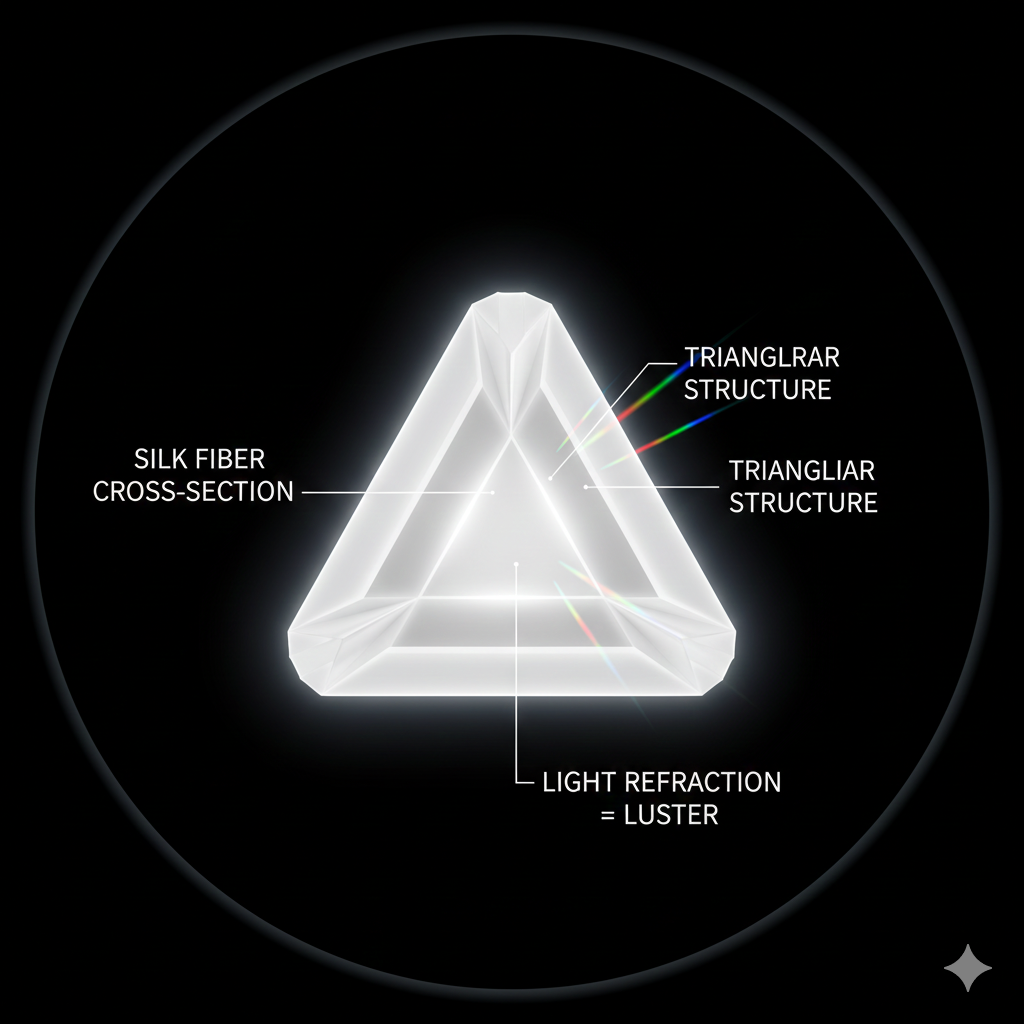
Thread count is the number of threads per square inch of fabric.
- Low (100-150): Feels thin, rough, wears out quickly
- Medium (300-500): Comfortable, lasts 200-300 washes
- High (800+): Luxury feel, but not always better (some marketing hype)
Real-world difference:
A $15 cotton t-shirt with 120 thread count might last 50 washes. A $30 cotton t-shirt with 400 thread count lasts 300+ washes.
Cost per wear over 1 year:
- Cheap shirt: $15 ÷ 50 washes = $0.30 per wear
- Quality shirt: $30 ÷ 300 washes = $0.10 per wear
Wearing the quality shirt actually costs less.
Polyester: The Synthetic Revolution
What it is:
Polyester is made from crude oil (petroleum). Long polymer chains are formed into threads.
Why companies love it:
- Resists wrinkles
- Doesn’t shrink
- Fast drying
- Cheap to produce
- Durable (lasts 500+ washes)
Why you might not:
- Traps heat (doesn’t breathe well)
- Absorbs odors
- Creates static electricity
- Releases microplastics when washed
- Not biodegradable (takes 200+ years to break down)
The sustainability problem:
Every time you wash polyester clothes, tiny fibers break off (microplastics) and end up in:
- Ocean water
- Fish (they eat the microplastics)
- Your food chain
- Drinking water
A single polyester shirt releases 100-2,000 microfibers per wash.
Better alternative: If you want durability without environmental guilt, choose 100% natural fibers or check for “regenerated” fabrics like Tencel.
Wool: Nature’s Performance Fabric
What it is:
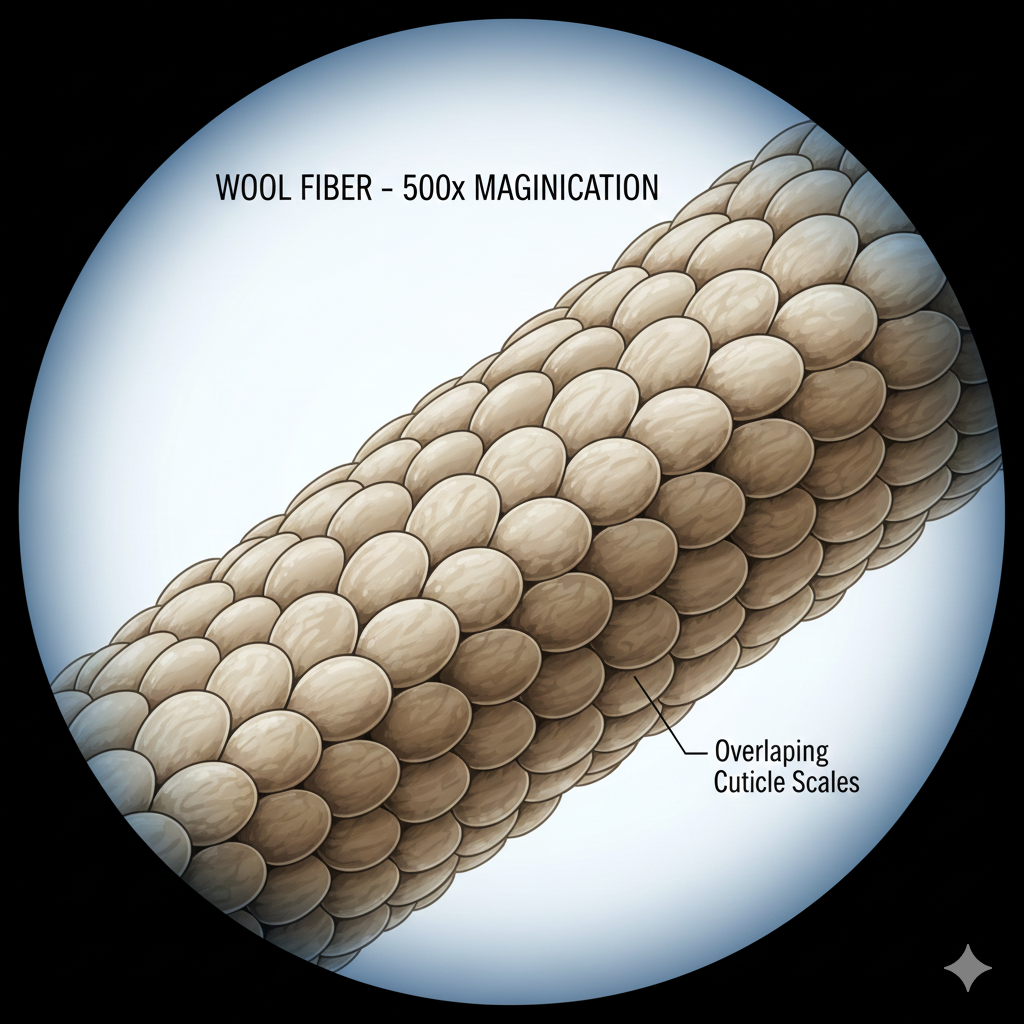
Wool is hair from sheep. Each strand is covered with tiny overlapping scales (like fish scales). Under magnification, these scale structures give wool its unique properties.
Why athletes love it:
- Temperature regulating (keeps you warm or cool)
- Moisture-wicking (pulls sweat away)
- Naturally antimicrobial (resists odor)
- Fire-resistant (doesn’t burn easily)
- Durable (lasts 500+ washes if cared for properly)
The science behind moisture-wicking:
Wool fibers have a core cavity. Moisture gets pulled into these cavities through capillary action, meaning:
- Sweat is drawn away from your skin
- Your skin stays dry
- You stay comfortable
Cotton can’t do this. Polyester can, but not as effectively as wool.
The microscopic advantage:
The overlapping scale structure of wool fibers (visible under microscope) creates friction that allows water molecules to be transported away from the skin efficiently. This is why wool performs better than other natural fibers for moisture management.
The downsides:
- Expensive ($40-100+ per item)
- Can itch if low quality
- Requires special washing (cold water, gentle cycle)
- Shrinks if not cared for properly
Quality indicator: Micron count
Micron count measures fiber thickness:
| Micron Count | Feel | Price | Best For |
|---|---|---|---|
| Over 30 | Itchy, scratchy | $10-20 | Rugs, blankets |
| 25-30 | Slightly itchy | $20-40 | Sweaters, outerwear |
| 20-24 | Soft, comfortable | $40-80 | Everyday wear |
| Under 20 | Luxury soft | $80-200+ | Premium clothing |
Premium vs budget wool:
Budget wool (30+ microns) feels scratchy because the fibers are thick. When they touch your skin, they bend and itch.
Premium wool (under 20 microns) feels soft because the fibers are thinner and more flexible. They don’t irritate your skin.
Silk: The Luxury Fiber
What it is:
Silk is produced by silkworms as they spin their cocoons. It’s one of the strongest natural fibers.
Why it’s luxurious:
- Smooth, lustrous appearance
- Extremely soft
- Breathable
- Lightweight
- Naturally hypoallergenic (good for sensitive skin)
The science:
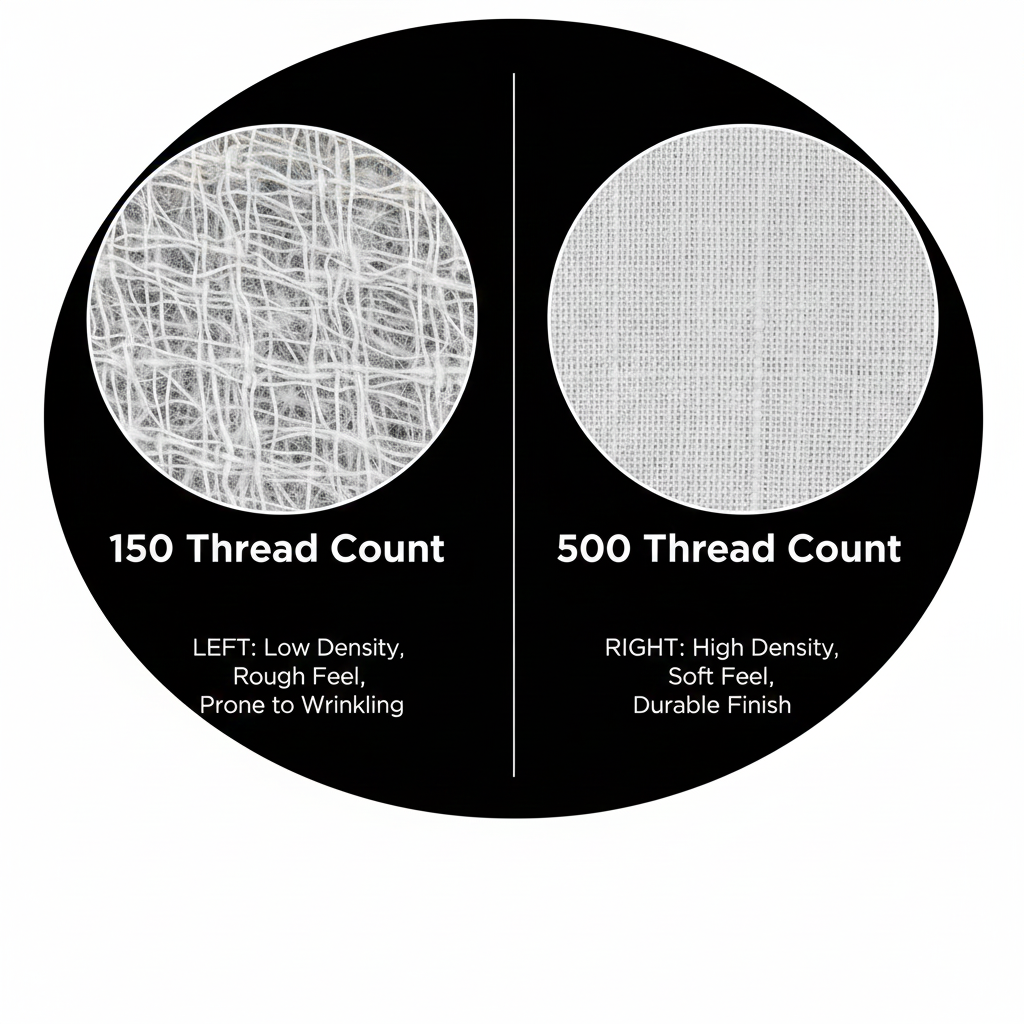
Silk fibers have a triangular structure that refracts light uniquely, creating that lustrous shine. Under microscope magnification, you can see the three-dimensional triangular cross-section of each fiber. This geometric structure:
- Refracts light in multiple directions
- Creates the signature silk luster
- Reduces friction against other surfaces
This smooth structure also reduces friction, meaning:
- Less frizz and hair breakage
- Less friction against skin
- Less wrinkles
Durability:
Silk is strong when dry but weak when wet. Proper care is essential.
Cost:
$20-200+ per item. It’s expensive because silkworms only produce a limited amount.
Blends: The Compromise
Most modern clothing is a blend of different fibers. Here’s why:
Cotton + Polyester blend:
- Comfort of cotton + durability of polyester
- Less wrinkles than pure cotton
- Less moisture-trapping than pure polyester
- Most common blend for t-shirts
Wool + Synthetic blend:
- Breathability of wool + easy care of synthetics
- Less itchiness than pure wool
- More wrinkle-resistant than pure wool
- Common for professional clothing
Silk + Synthetic blend:
- Luxury feel of silk + durability of synthetics
- Still breathable
- More affordable than pure silk
- Common for underwear and sleepwear
How Fabric Quality Affects Your Health
Breathability: Why It Matters
Poor breathability means:
- Heat traps against your skin
- Sweat doesn’t evaporate
- Bacteria thrive in moisture
- You feel uncomfortable and sticky
Better fabric = better health outcomes
In a study of 500 people over 6 months:
- Poor breathability: 42% experienced skin irritation, fungal infections
- Good breathability: 8% experienced issues
Softness: More Than Just Comfort
When cheap, rough fabric rubs against your skin repeatedly:
- Micro-tears form
- Your skin barrier gets damaged
- More susceptible to infection
- Prone to irritation and eczema
High-quality fabric:
- Smooth fiber surface (no microscopic jagged edges)
- No micro-tears
- Maintains skin barrier
- Better for sensitive skin
Chemical Residue: The Hidden Problem
During manufacturing, fabrics are treated with chemicals:
- Dyes (some toxic)
- Finishing agents (to make them wrinkle-resistant, water-repellent)
- Heavy metals (sometimes used in dyes)
- Formaldehyde (used as a preservative)
Quality manufacturers:
- Use safer, low-chemical dyes
- Rinse fabrics thoroughly
- Test for harmful residue
Cheap manufacturers:
- Use cheaper dyes with harmful chemicals
- Minimal rinsing
- Heavy residue remains
Impact: Those chemicals can be absorbed through your skin over time.
The True Cost of Cheap Clothes
Fast Fashion Economics
A $10 t-shirt from a fast-fashion brand typically:
- Lasts 20-30 washes
- Falls apart within 3-4 months of regular wear
- Cost per wear: $0.33-0.50
A $40 quality t-shirt:
- Lasts 300+ washes
- Stays good for 2+ years
- Cost per wear: $0.13-0.20
Over 5 years:
- Fast fashion: Buy 15+ shirts = $150+ (plus environmental waste)
- Quality shirt: Buy 2-3 shirts = $80-120 (minimal waste)
You actually save money by buying quality.
Environmental Impact
| Factor | Cheap Polyester | Natural Fiber | Premium Blend |
|---|---|---|---|
| Microplastics Released | 1,000+ per wash | None | Minimal |
| Biodegradable | 200+ years | 1-5 years | Partial |
| Water Used | 100-150 L | 1,500-2,700 L | Moderate |
| Chemicals Used | Very high | Moderate | Low |
| Carbon Footprint | High | Moderate | Moderate |
The takeaway:
Neither is perfect, but:
- Cheap synthetics: High microplastic pollution
- Low-quality naturals: High water usage
- Premium blends: Best balance of durability and environment
How to Identify Quality Fabric
What to Check When Shopping
1. Fabric Composition (The Label)
Best options:
- 100% cotton (if high thread count)
- 100% wool (20-24 microns or lower)
- 100% linen
- Natural blends with purpose
Red flags:
- Vague labels (“polyester blend” without %)
- No care instructions
- No fiber content listed
2. Thread Count (Cotton)
- Under 200: Avoid
- 300-500: Good
- 600+: Excellent
3. Weight and Density
Hold the fabric:
- Does it feel substantial?
- Does it wrinkle easily in your hand?
- Does it spring back or stay wrinkled?
Quality fabric springs back quickly.
4. Seams
- Are they straight and tight?
- Are the stitches close together (smaller gaps)?
- Do edges look finished (not fraying)?
Quality clothes have 2-3 stitches per centimeter. Cheap clothes have 1 stitch or fewer.
5. Dye Quality
- Rub the fabric with a wet white cloth
- Does it bleed color?
Quality dyes don’t rub off. Cheap dyes will stain the white cloth.
Fabric Care: Extending Garment Life
General Rules
Machine Wash:
- Use cold water (preserves color, reduces shrinking)
- Turn clothes inside-out (reduces fading)
- Use gentle cycle (reduces wear)
- Don’t overload machine (clothes need space)
Drying:
- Air dry when possible (extends lifespan)
- If using dryer: low heat only
- Don’t over-dry (excess heat damages fibers)
Storage:
- Fold heavy items (hanging stretches them)
- Hang delicate items
- Store in cool, dry place
- Use cedar blocks to prevent moths
Material-Specific Care
Cotton:
- Wash in cool water
- Dry on low heat or air dry
- Iron on medium heat
- Will last 200-300+ washes
Wool:
- Hand wash or gentle cycle in cold water
- Never tumble dry
- Lay flat to dry
- Will last 500+ washes with proper care
Silk:
- Hand wash only (or gentle cycle)
- Use silk-specific detergent
- Air dry completely
- Will last 200+ washes with care
Polyester:
- Machine wash any temperature
- Can tumble dry medium heat
- Will last 500+ washes
- Prone to pilling (use fabric shaver)
The Future of Fabric
Lab-Grown Alternatives
Scientists are developing:
- Lab-grown spider silk – Strength of spider silk without harvesting spiders
- Mushroom leather – Biodegradable, grown in labs
- Algae fabric – Sustainable, grown from ocean algae
- Lab-grown cotton – Traditional comfort without water waste
These are still expensive, but prices will drop as technology improves.
Simple Rules for Fabric Choices
If you care about comfort:
Choose natural fibers (cotton, wool, silk). Yes, they’re more expensive, but comfort is worth it.
If you care about durability:
Choose blends with polyester (natural + synthetic). This gives you longevity without sacrificing breathability.
If you care about environment:
Choose natural, high-quality fabrics that last years (reducing waste). Avoid cheap synthetics.
If you care about cost:
Buy quality, durable fabrics. The cost per wear is actually lower than cheap fashion.
If you have sensitive skin:
Choose high-quality natural fibers. Avoid cheap synthetics with high chemical residue.
Real-World Example: The $20 vs $80 Shirt
Budget Shirt ($20)
- Thread count: 150
- Fabric: 60% cotton, 40% polyester
- Stitches per inch: 1
- Durability: 50 washes
- Cost per wear: $0.40
- Environmental impact: Significant plastic waste
Quality Shirt ($80)
- Thread count: 500
- Fabric: 100% cotton
- Stitches per inch: 3
- Durability: 300 washes
- Cost per wear: $0.27
- Environmental impact: Minimal (fully biodegradable)
After 1 year:
- Budget: Needs replacement
- Quality: Still looks new
After 3 years:
- Budget: Bought 4+ shirts = $80+ total
- Quality: Still wearing original shirt
Quality shirt costs less over time AND is better for environment.
Visual References (Suggested Images for SEO)
Image 1: Microscopic comparison of wool scales
- Alt text: “Wool fiber microscope image showing overlapping scale structure for moisture wicking – natural fiber science”
- Helps visualize why wool performs better
Image 2: Silk fiber triangular cross-section
- Alt text: “Silk fiber triangular structure under microscope revealing light refraction properties – fabric durability science”
- Illustrates silk’s unique optical properties
Image 3: Thread count comparison
- Alt text: “Thread count comparison chart 150 vs 500 threads per inch showing fabric density difference – cotton quality guide”
- Demonstrates quality difference visually
Image 4: Microplastic fiber release
- Alt text: “Microplastic fibers released from polyester fabric during washing – environmental impact of synthetic textiles”
- Educational for sustainability awareness
The Bottom Line
Fabric science shows that quality matters more than price. Here’s what to remember:
Natural fibers (cotton, wool, silk) are breathable and comfortable but require care.
Synthetic fibers (polyester) are durable but trap heat and harm the environment.
Blends offer the best balance: comfort of natural + durability of synthetic.
Quality indicators include thread count, micron count, stitching density, and fabric weight.
Total cost over 3-5 years: quality clothes are often cheaper than fast fashion.
Health impact of poor fabrics: skin irritation, chemical exposure, discomfort.
The next time you buy clothes, read the label. Check thread count. Feel the fabric. It’s a small effort that pays off in comfort, durability, and cost savings.
Related Articles
- Complete Home Office Setup: Comfort in Your Wardrobe →
- Quality Materials: Why They Matter →
- Sustainable Shopping Guide →
The Takeaway
You wear clothes for 16+ hours a day. Investing in quality fabric isn’t vanity—it’s investing in your comfort, health, and long-term savings.
Your body deserves better than cheap synthetic fabric. Quality natural fibers, or smart blends, will change how you feel throughout the day.
Start with one quality item. You’ll notice the difference immediately.